
Academics
Ph.D in Naturophathy

Ph.D in Psychology

Ph.D in Health and Nutrition
Ph.D in Artistic Creation

Ph.D in Economics & Administration

Ph.D in Aesthetic Treatment
Ph.D in Education
Ph.D in Living Arts

Ph.D in Beauty Business Management
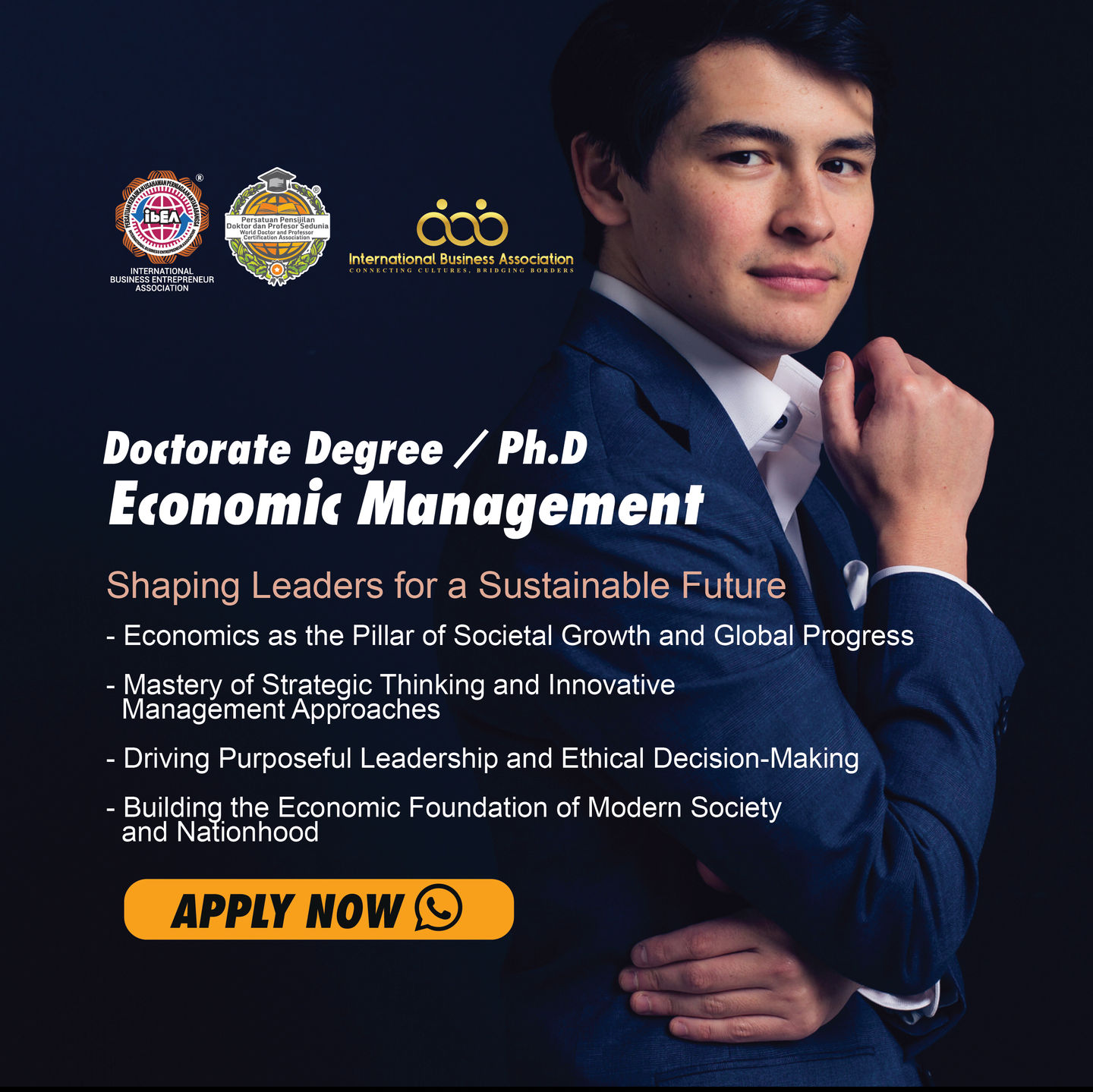
Ph.D in Economic Management
Academic Requirements:
Curriculum: The curriculum for the program of study may consist of a mix of mandatory courses, elective courses, independent study opportunities, colloquia, and the demonstration of comprehensive knowledge in the major field. Graduate groups may mandate additional preparation, particularly for programs with significant language requirements. Students enrolled in certain programs, such as those in the sciences, may initiate dissertation-related research prior to achieving candidacy.
Evaluations and Examinations: The program continuation is contingent upon the candidate’s academic progress evaluation. Fulfillment of this requirement is imperative. Both the student and the graduate office should be informed of the evaluation results.
The grading system is as follows:
A – Excellent
B – Good
C – fair
D – poor but passing
F – failure
The evaluation of the candidate’s academic progress is crucial for program continuation. Both the student and the graduate office must be informed of the evaluation outcome. A passing grade of C at the graduate level does not guarantee satisfactory performance. Grades may be adjusted with a plus (+) or minus (-) sign at the school’s discretion. A B average is the minimum standard for satisfactory work. The marks of S and U indicate satisfactory and unsatisfactory progress, respectively. An incomplete is designated by the mark of I. It is expected that students complete course work during the term of enrollment.
Dissertation: Ph.D students must compose and submit a dissertation containing original research.
i. Format and Content of the Dissertation
A dissertation is essentially a manuscript that may consist of articles published by the student during their Ph.D program. The manuscript should be accompanied by a narrative explaining the contextual significance of the collected works. In addition to the written text, candidates are encouraged to submit supplementary multimedia files, such as photographs, audio recordings, musical compositions, and film to enhance the overall presentation of their work. It is also important for candidates to provide a concise account of their contributions to the dissertation.
ii. Dissertation Committee Composition & Meetings
Upon advancement in their candidacy, each student will be assigned a dissertation committee comprised of a minimum of 3 faculty members. The authority to approve committee membership may be delegated to the graduate group chair. The dissertation supervisor will be the principal individual overseeing the student’s dissertation research. It is possible for a student to have both a dissertation supervisor and a dissertation co-supervisor to establish expectations and review the student’s progress.
iii. Dissertation Status
During their dissertation status, students are enrolled in year-long dissertation courses. At the end of the semester, these courses will be assessed with either an S (satisfactory progress) or U (unsatisfactory) grade. This evaluation reflects the student’s progress as determined by the graduate group.
iv. Presentation and Defense
The presentation may be in the form of a workshop using either a complete draft or the final version of the dissertation, based on the guidelines of the graduate group. The examination may be conducted privately or according to the committee group’s regulations.
v. Acceptance of the Dissertation
The graduate must submit their dissertation to the office by the specified deadline on the graduation calendar for approval and publication consideration. Both the student and dissertation supervisor will be provided with a copy of the report.
vi. Publication and Submission
Candidates are required to adhere to a specific format determined by the group they are collaborating with; it is imperative for them to be well-versed in any additional requirements set forth.
vii. Dissertation Copyrights and Patent Policies
The university retains ownership of a dissertation submitted to fulfill degree requirements. Any copyrights or patent rights that result from the dissertation will be subject to the policies of the University Anointed.